
Bull bar buyers split into two camps: steel for strength, alloy for weight. For the way most New Zealanders actually use a 4WD — animal country, gravel, remote touring and winching — steel is the bar we build and the bar we back. Here’s the honest comparison we give customers, and why our steel bars earn their place on the front of a hard-working truck.
Head to head
Animal-strike protection. This is the whole point of a bull bar, and steel is king. If you drive rural roads at dawn or dusk where a deer, pig or stray stock is a real risk, a steel bar is what stands between a write-off and driving home. Alloy bends and absorbs the hit; steel takes it and keeps its shape.
Winch mounting. Steel bars take winch loads in their stride. Our steel bars are built to mount a recovery winch solidly, pulling against a structure that won’t flex. Alloy bars can mount a winch too, but you have to check each bar’s specific rating — with steel it’s a non-issue.
Strength & repairability. Steel shrugs off knocks, tree rub and corrugations, and when it does cop serious damage it can usually be straightened or re-welded — alloy generally can’t.
Weight. The honest trade-off: a steel bar runs roughly 60–85kg versus 30–45kg for alloy, and that mass sits out over the front axle. It’s real, but it’s manageable — the fix is a slightly heavier front spring to carry the load, which we sort as part of the build (and which most touring rigs want anyway).
Corrosion. Alloy won’t rust, which is its one genuine edge in coastal NZ. Our steel bars are powder-coated to handle it — a rinse of the underside after beach trips keeps them looking sharp for the long haul.
The weight question, answered properly
A steel bar plus a 9,500lb winch can add 100kg+ to your front axle. That changes ride height and steering feel, and on some utes it’s worth a heavier front spring to carry it properly. That’s not a reason to go alloy — it’s just part of doing a front-end build right, and it’s exactly the sort of thing we spec correctly so your truck sits level and steers true once the bar and winch are on.
Compliance in NZ — the bit that catches people
- Pedestrian safety. A bull bar must not create additional hazard compared with the original bumper. Our bars are compliant, plated designs that NZ inspectors accept.
- Airbags. Most utes built after about 2010 have crash sensors in the bumper or chassis. The bar must be airbag-compatible, and on many vehicles the sensors need relocating — that’s a qualified auto-electrician job, and it’s included in our fitting.
- When do you need an LVV cert? A compliant bolt-on steel bar doesn’t. A custom-fabricated bar, or a bar + heavy winch combo that loads the front axle near its rating, can. If you’re unsure, ask us before you buy — or run it through the WoF checker.
So which one?
For a 4WD that works for its living — touring remote, winching, or driving animal country — buy steel. It’s the protection a bull bar is supposed to provide, it mounts a winch without compromise, and it lasts. Alloy is a fair shout only if you never winch, stay on the tarmac, and value a light nose above outright protection. For everything most Kiwi owners actually do, steel wins.
Browse our steel bull bar range — filter to your exact vehicle so you only see bars that fit — built airbag-aware, winch-ready and WoF-legal, and fitted at our New Lynn workshop or an authorised partner near you.
Ready to shop?
Browse Bull Bars, filtered to your truck.
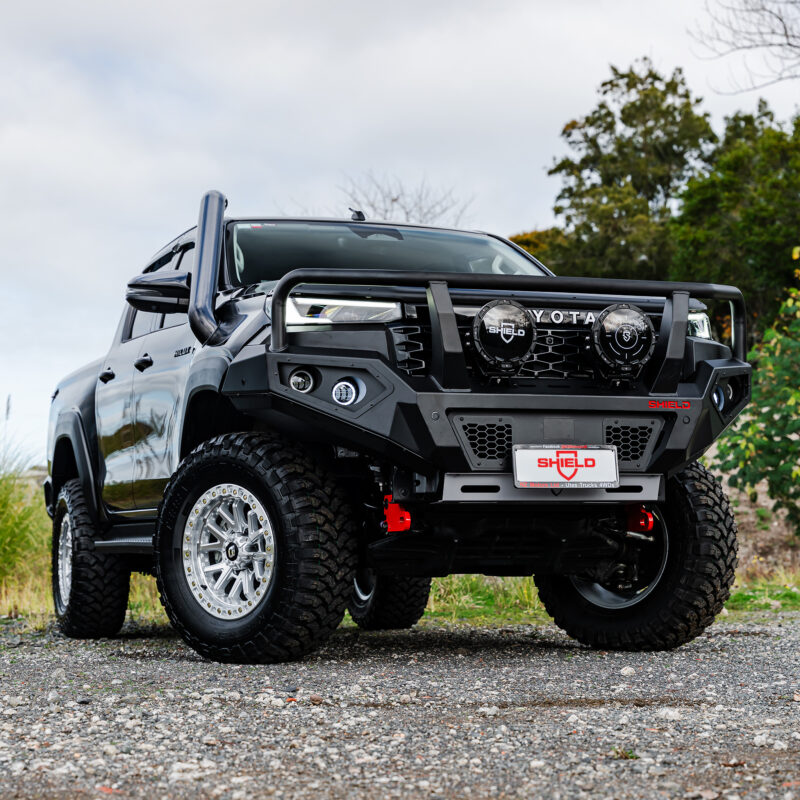
Price range: $1,979.10 through $3,419.10 incl. GST
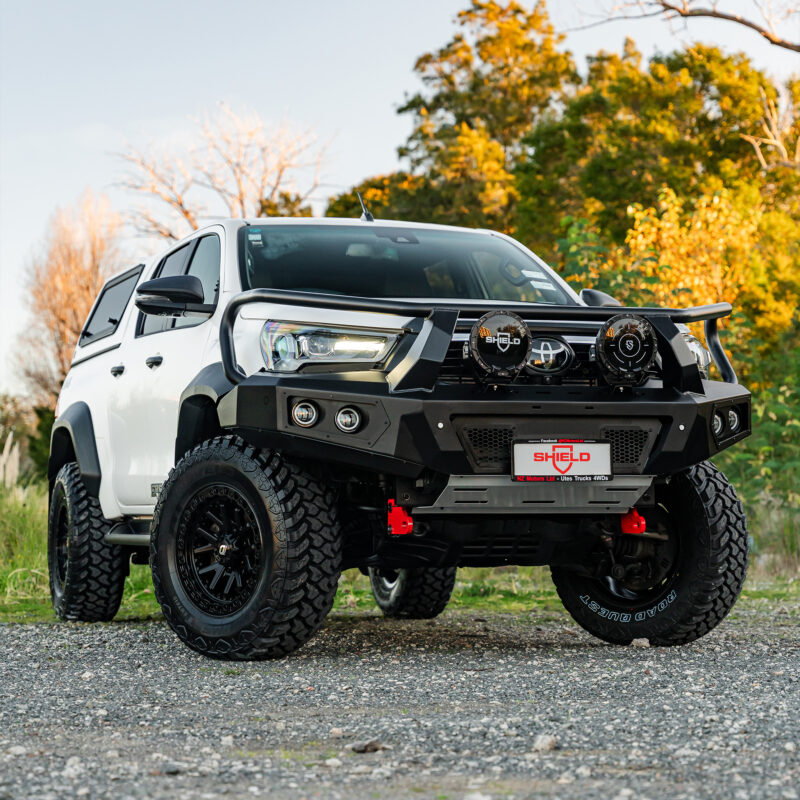
Price range: $1,979.10 through $3,419.10 incl. GST
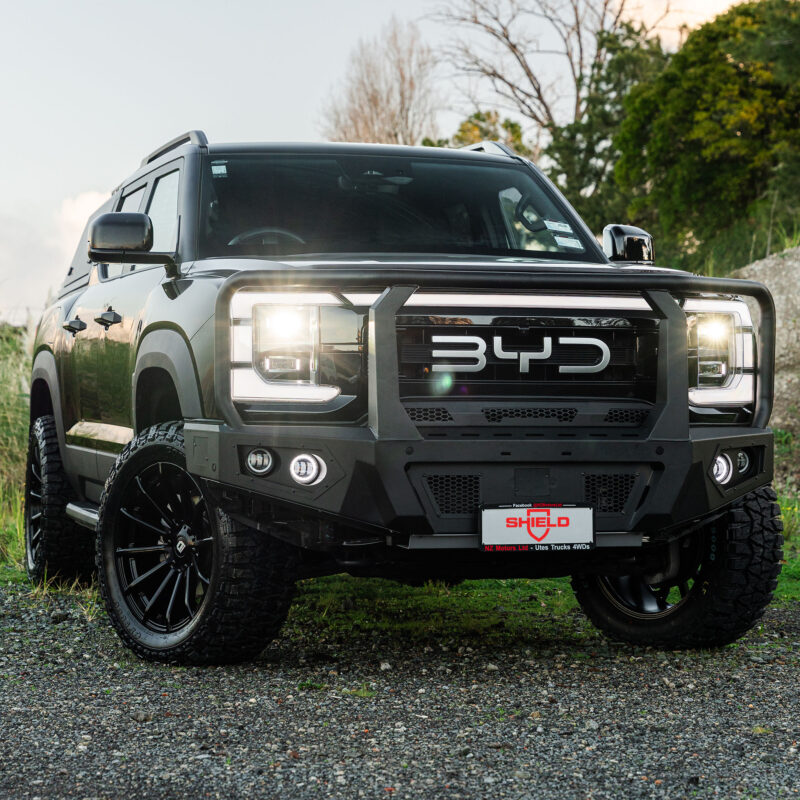
Price range: $1,979.10 through $3,419.10 incl. GST
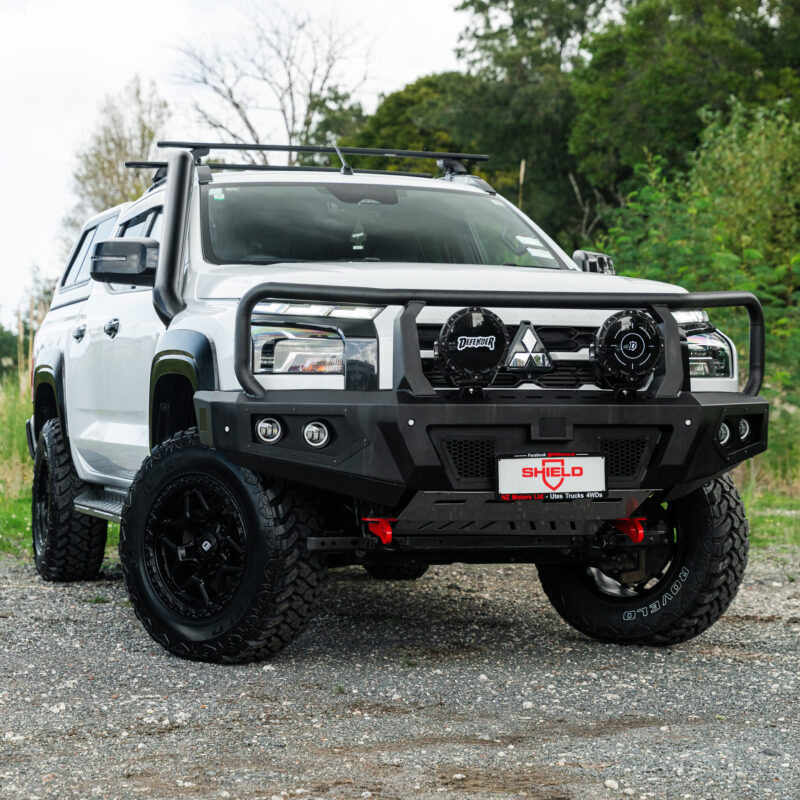
Price range: $1,979.10 through $3,419.10 incl. GST